
ARCHITECTURAL METAL WORKS
Architectural Metal Engineering, Where Intent Meets Precision
MIMTA delivers architectural metal engineering and fabrication as one integrated discipline, resolving geometry, material behaviour, structural performance and production into precise, buildable architecture.
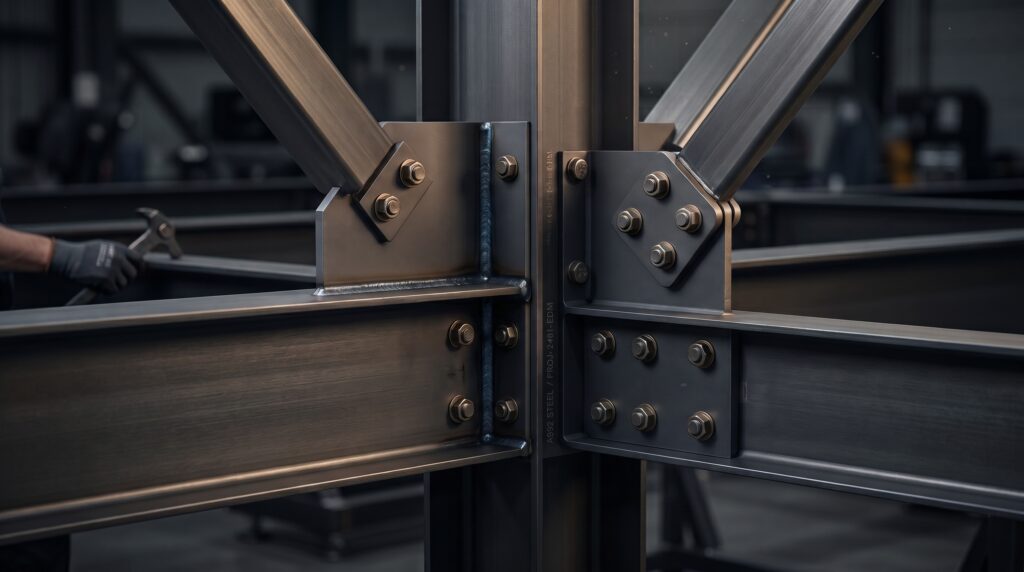
ARCHITECTURAL SYSTEMS
A Complete Portfolio of Engineered Metal + Glass Systems
Explore MIMTA’s integrated portfolio of architectural metal and glass systems — developed through architectural metal engineering, detailing, fabrication and coordinated project delivery.


01 / FAÇADE SYSTEMS
CURTAIN WALL + STRUCTURAL GLAZING
ALUMINIUM · LOW-IRON GLASS · POINT-FIXED GLAZING · CUSTOM ENGINEERED
02 / CANOPY SYSTEMS
STRUCTURAL GLASS CANOPIES
LAMINATED GLASS · STAINLESS STEEL · ENGINEERED CONNECTIONS
03 / BALUSTRADE SYSTEMS
FRAMELESS GLASS BALUSTRADES
LOW-IRON GLASS · BASE SHOE SYSTEM · MINIMAL DETAILING
04 / ENTRANCE SYSTEMS
ENTRANCE PORTALS + GLASS DOORS
ALUMINIUM · STRUCTURAL GLASS · CUSTOM HARDWARE
05 / ROOF GLAZING
SKYLIGHTS + ATRIUM GLAZING
LAMINATED GLASS · METAL FRAMING · BESPOKE GEOMETRY
06 / CLADDING SYSTEMS
METAL CLADDING + FEATURE PANELS
ALUMINIUM · STAINLESS STEEL · CUSTOM FINISHES
07 / SPECIALIST GLAZING
SPIDER GLAZING SYSTEMS
POINT-FIXED GLASS · STAINLESS STEEL · STRUCTURAL DETAILING
08 / RETAIL FRONTAGE
SHOPFRONTS + SHOWCASE GLAZING
CLEAR GLASS · SLIM METAL FRAMES · PREMIUM FINISHES
09 / SCREENING SYSTEMS
PERFORATED METAL + DECORATIVE SCREENS
LASER CUT · PERFORATED PANEL · CUSTOM PATTERN
10 / INTERIOR SYSTEMS
GLASS PARTITIONS + METAL FRAMES
SLIM PROFILE · CLEAR GLASS · BESPOKE DETAILING
11 / SHADING SYSTEMS
LOUVRES + ARCHITECTURAL SUNSHADES
ALUMINIUM · STEEL · PROJECT-SPECIFIC GEOMETRY
12 / BESPOKE SYSTEMS
CUSTOM GLASS + METAL ASSEMBLIES
ENGINEERED DETAIL · SPECIAL FABRICATION · SITE-READY DELIVERY
Key Features
1 / ENGINEERED DESIGN DEVELOPMENT
Complex architectural concepts are translated into coordinated, buildable metal systems through technical design, structural logic and detailed engineering.
02 / MATERIAL PRECISIONStainless steel, aluminium, carbon steel and specialist alloys are selected according to structural performance, fabrication requirements, durability and architectural intent.
03 / BESPOKE FABRICATIONCustom geometries, profiles, assemblies and non-standard components are developed through precision fabrication for project-specific architectural requirements.
04 / INTEGRATED DELIVERYEngineering, production documentation, fabrication, finishing, logistics and site installation are coordinated within one controlled project delivery process.
Materials + Engineering
01 / STAINLESS STEEL
Architectural-grade stainless steel is selected for durability, precision, corrosion resistance and premium surface quality across complex interior and exterior applications.
02 / ALUMINIUMCustom extrusions, sheet, plate and machined aluminium components are developed according to geometry, weight, finish, tolerances and system integration requirements.
03 / CARBON STEELStructural and fabricated carbon steel components are engineered where increased stiffness, load capacity and complex assembly requirements define the system.
04 / SPECIALIST MATERIAL SYSTEMSProject-specific metal alloys, hybrid assemblies and advanced material combinations are developed where conventional solutions cannot meet architectural or technical demands.
MATERIAL INTELLIGENCE
FORM. FINISH. PERFORMANCE.
Every material decision is developed around geometry, manufacturing method, surface quality and project performance. From stainless steel and aluminium to carbon steel and advanced basalt-fibre systems, MIMTA applies architectural metal engineering as a disciplined approach — balancing structure, fabrication, durability, integration and final architectural intent.
01
PRECISION CUTTING
Precision cutting, forming and architectural panel fabrication.
02
FORMING + PROFILING
Engineered profiles, frames and project-specific assemblies.
03
ASSEMBLY DEVELOPMENT
Fabricated steel systems developed for complex project geometries.
04
ARCHITECTURAL FINISHING
Special components and assemblies developed around project-specific requirements.
SURFACE FINISHING
BLASTING
PRECISION FORMING
CUSTOM FABRICATION
Applications
01 / HOSPITALITY + LUXURYHotels, resorts and premium hospitality projects requiring refined architectural metal systems and bespoke fabrication.
02 / LUXURY RESIDENTIAL
Private residences, branded residences and premium living environments developed with refined detailing and material precision.
03 / AVIATION + TRANSPORT
Airport terminals, transport hubs and public circulation environments requiring durable, coordinated and high-performance metal solutions.
04 / COMMERCIAL + CORPORATE
Headquarters, offices, retail environments and commercial developments requiring integrated architectural metal systems.
05 / PUBLIC + CULTURAL
Public buildings, cultural facilities and institutional projects where durability, visual quality and technical coordination are critical.
06 / INFRASTRUCTURE + SPECIAL PROJECTS
Large-scale infrastructure and specialist projects requiring engineering-led development, complex fabrication and controlled site integration.
Architectural Metal Detailing + System Integration
Precision Detailing + Fabrication Integration
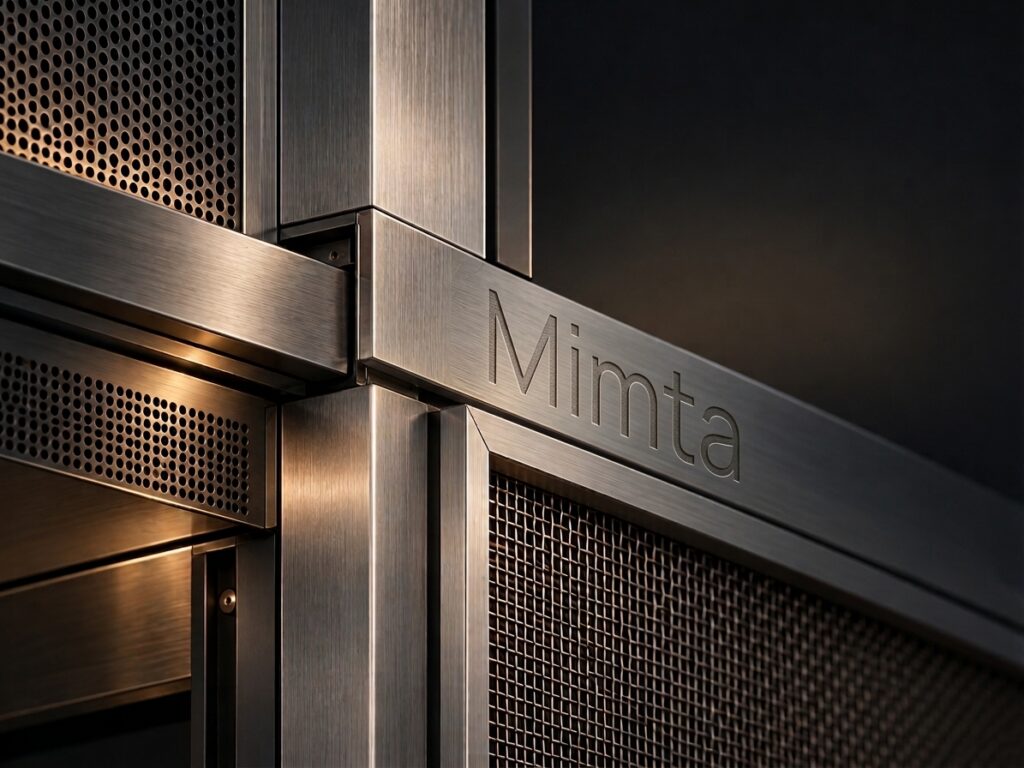
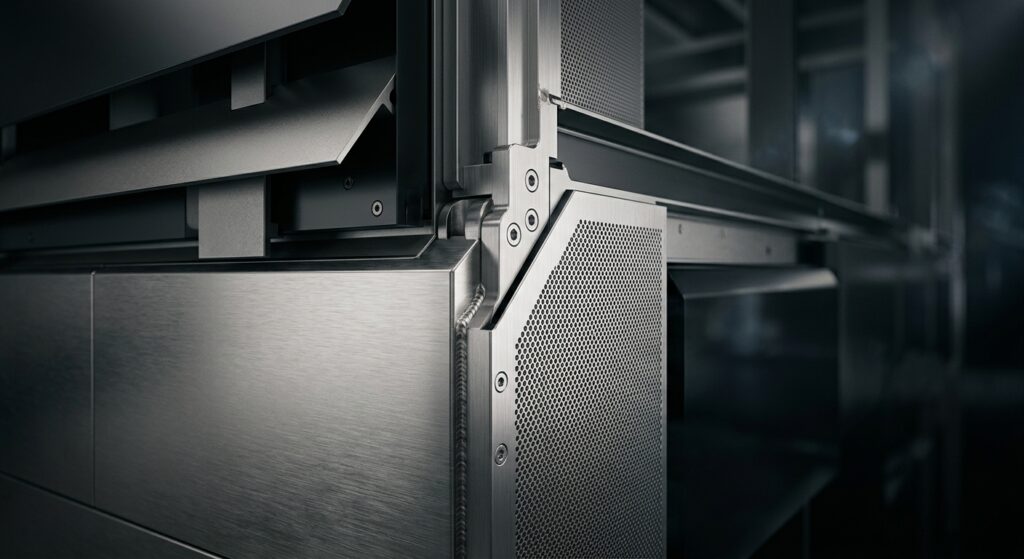
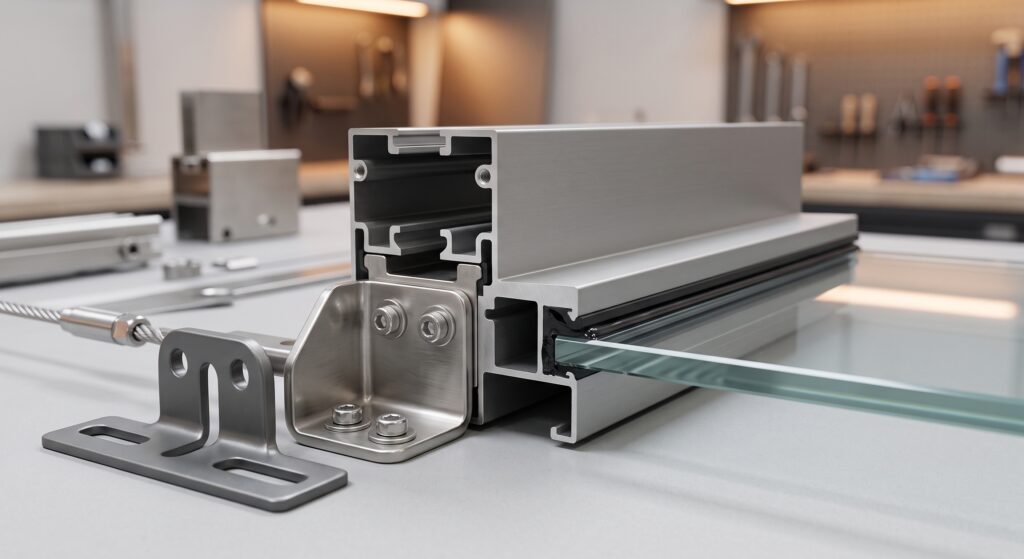
Complex architectural metalwork is resolved through coordinated detailing, material selection, connection design and fabrication planning — ensuring that geometry, interfaces and tolerances remain controlled from design development through production.
01
CONNECTION STRATEGY
Project-specific joints, brackets, interfaces and concealed fixing solutions are developed around structural, architectural and installation requirements.
02
GEOMETRY CONTROL
Complex curves, folded forms, irregular profiles and non-standard assemblies are translated into coordinated, production-ready geometry.
03
FABRICATION LOGIC
Cutting, forming, welding, machining and assembly sequences are developed according to material behaviour, tolerances and production requirements.
04
INSTALLATION READINESS
Details are coordinated around handling, transport, sequencing and site interfaces to support controlled installation and final alignment.
Technical Notes
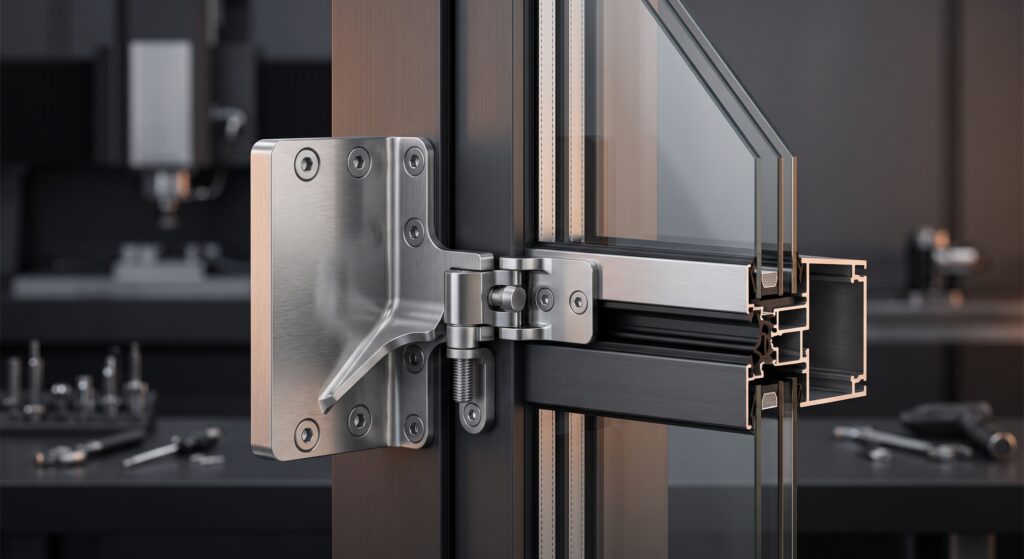
01 / SYSTEM ENGINEERING
Architectural metal systems are developed according to project geometry, structural requirements, material behaviour and interface conditions.
02 / TECHNICAL COORDINATIONConnections between metalwork, glazing, structure, finishes and adjacent systems are coordinated throughout design development, fabrication and site preparation.
03 / FABRICATION TOLERANCESProfiles, plates, brackets, welded assemblies and connection components are detailed to accommodate manufacturing, assembly and installation tolerances.
04 / PROJECT-SPECIFIC DEVELOPMENTMaterial grades, finishes, connection strategies, fabrication methods and installation sequences are defined according to the technical requirements of each project.
SPECIALIST ENGINEERING
Beyond Conventional Architectural Metalwork
MIMTA extends its architectural metal capability into specialist engineering environments — from critical infrastructure protection and advanced material systems to marine and project-specific engineered assemblies.
01 / CRITICAL INFRASTRUCTURE
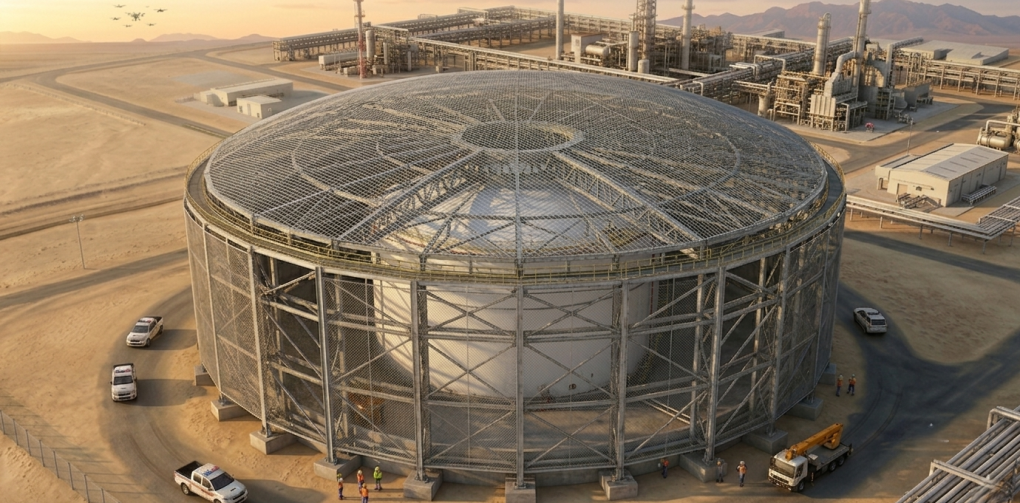
CRITICAL INFRASTRUCTURE PROTECTION
PASSIVE PROTECTION · STRUCTURAL ENGINEERING · MODULAR SYSTEMS
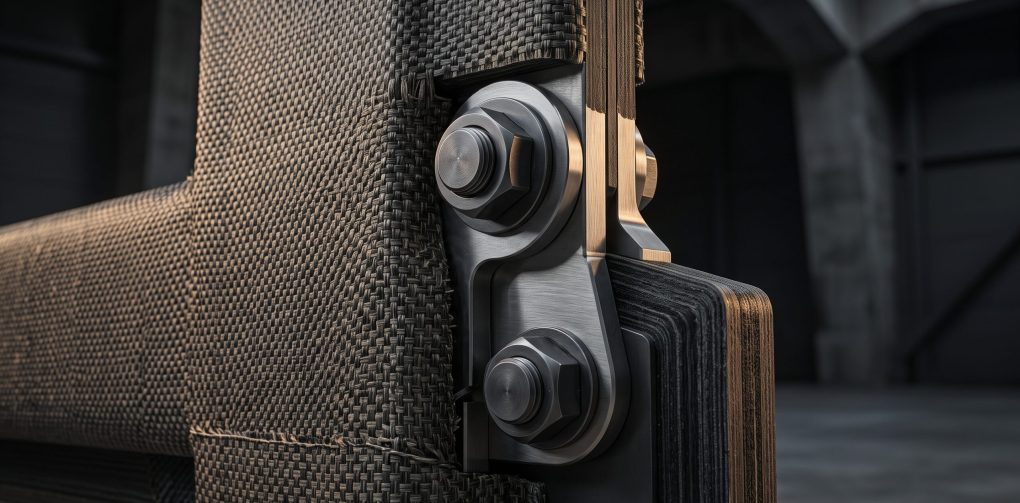
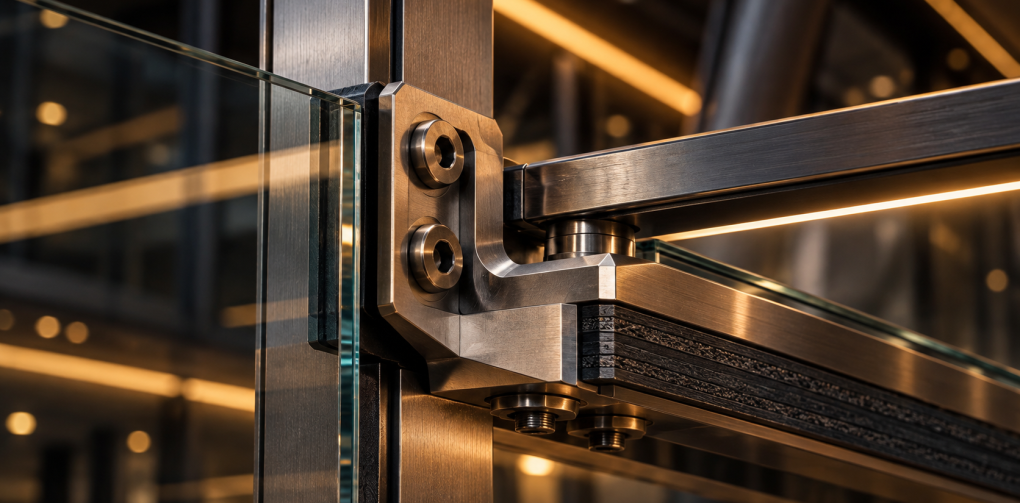
02 / BASALTSHIELD™
BASALT FIBRE + HYBRID SYSTEMS
MATERIAL ENGINEERING · BFRP · QUALIFICATION-LED DEVELOPMENT
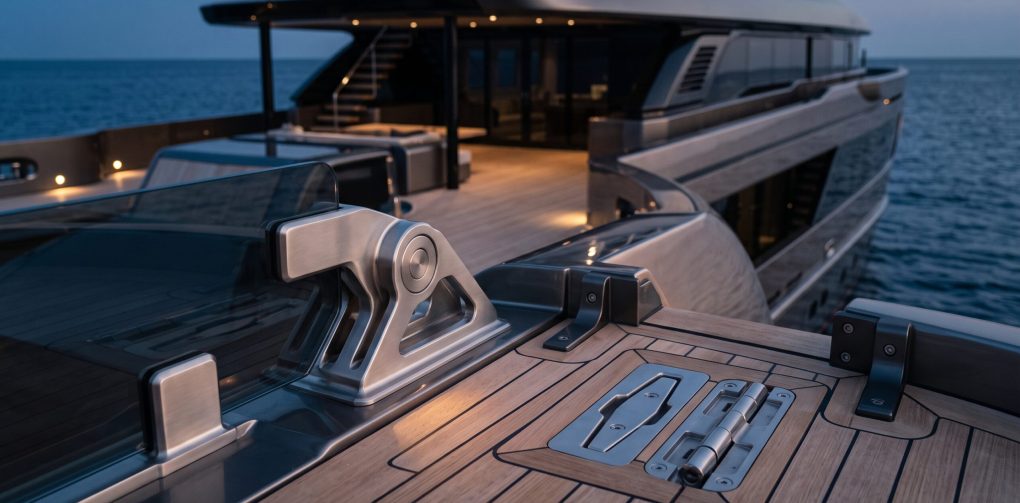
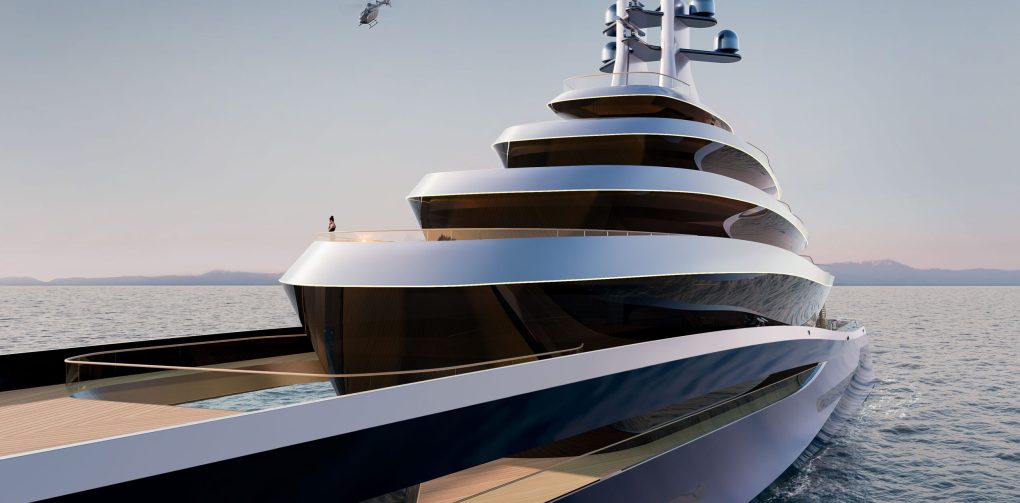
03 / MARINE + SUPERYACHT
MARINE + SUPERYACHT METALWORK
316 STAINLESS STEEL · BESPOKE HARDWARE · PRECISION FABRICATION
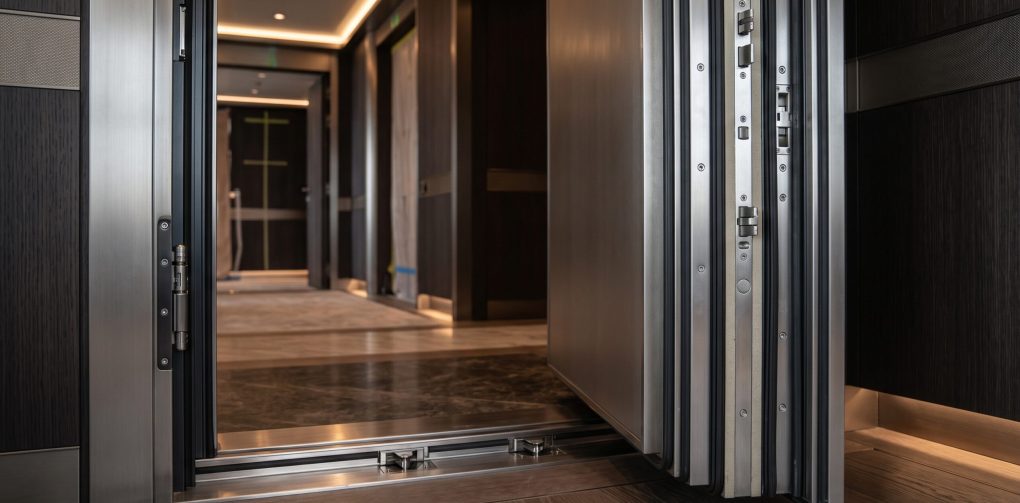
04 / A60 MARINE DOOR DEVELOPMENT
A60 FIRE-RATED MARINE DOOR DEVELOPMENT
ENGINEERING DEVELOPMENT · MARINE APPLICATION · FIRE-RATED SYSTEM
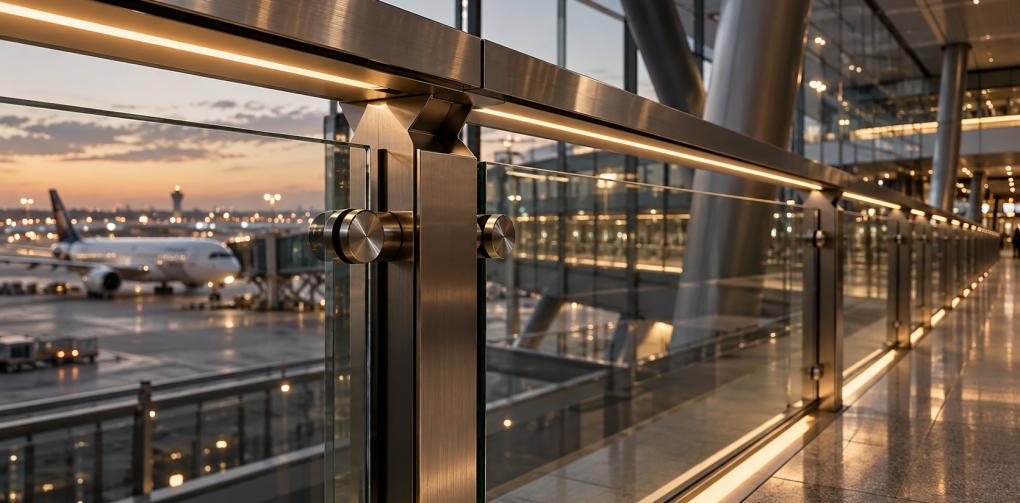
05 / TRANSPORT + AVIATION
TRANSPORT + AVIATION METAL SYSTEMS
AIRPORTS · TRANSIT · LARGE-SCALE INFRASTRUCTURE
06 / CUSTOM ENGINEERED ASSEMBLIES
CUSTOM ENGINEERED ASSEMBLIES
BESPOKE GEOMETRY · COMPLEX INTERFACES · PROJECT-SPECIFIC ENGINEERING
ENGINEERING BEYOND CONVENTIONAL FABRICATION
MIMTA develops specialist metal and material systems where standard products are no longer sufficient. From critical infrastructure protection and advanced composite systems to marine engineering and complex project-specific assemblies, each solution is developed through coordinated design, material selection, fabrication logic and controlled delivery.
01 / CRITICAL PROTECTIONEngineered protection concepts developed around asset vulnerability, structural interfaces and project-specific performance requirements.
02 / ADVANCED MATERIAL SYSTEMSBasalt-fibre, BFRP and hybrid material solutions developed for demanding structural and protective applications.
03 / MARINE ENGINEERINGBespoke stainless-steel systems, marine hardware and engineered assemblies for superyacht and vessel applications.
04 / PROJECT-SPECIFIC DEVELOPMENTNon-standard assemblies developed where geometry, interfaces or performance requirements cannot be resolved through conventional products.
CRITICAL INFRASTRUCTURE PROTECTION
ENGINEERED PROTECTION FOR HIGH-CONSEQUENCE ENVIRONMENTS
MIMTA develops project-specific protection systems for critical infrastructure and high-value assets where structural resilience, layered protection, material performance and controlled integration are essential.
Each solution is developed around the specific asset, threat environment, structural interface and operational requirements of the project — combining engineered metal systems, advanced material technologies and coordinated protective assemblies.
01
LAYERED PROTECTION STRATEGY
Protection concepts are developed as integrated systems, combining structural support, protective layers, interface detailing and controlled assembly logic.
02
STRUCTURAL INTEGRATION
Protective components are coordinated with the primary structure, access requirements, maintenance interfaces and project-specific installation conditions.
03
ADVANCED MATERIAL SYSTEMS
Steel, stainless steel, basalt-fibre, BFRP and hybrid material solutions are selected according to durability, resilience and performance requirements.
04
PROJECT-SPECIFIC ENGINEERING
System geometry, material composition, connection strategy and installation sequence are developed individually for each application.
PROTECTION ENGINEERED AS A SYSTEM — NOT ADDED AS AN AFTERTHOUGHT.
BASALTSHIELD™ / ADVANCED MATERIAL TECHNOLOGY
Material Intelligence. Engineered Performance.
MIMTA develops basalt-fibre, BFRP and hybrid material concepts for applications where durability, corrosion resistance, weight efficiency and long-term performance are critical.
Rather than treating material selection as a standalone specification, each system is developed around geometry, structural behaviour, environmental exposure, interfaces and fabrication requirements — creating a coordinated material solution for the project.
01
BASALT-FIBRE REINFORCEMENT
Basalt-fibre based reinforcement concepts are developed for applications requiring durable, non-corrosive and lightweight material solutions.
02
BFRP + HYBRID SYSTEMS
BFRP profiles, composite layers and hybrid metal-composite assemblies are evaluated according to structural, fabrication and integration requirements.
03
MATERIAL + INTERFACE ENGINEERING
Connections between composite elements, metal components and supporting structures are resolved as part of the complete system rather than as isolated details.
04
QUALIFICATION-LED DEVELOPMENT
Material configuration, connection logic and system performance are developed through project-specific engineering, prototyping and validation requirements.
FROM MATERIAL SELECTION TO ENGINEERED SYSTEM PERFORMANCE.
MARINE + SUPERYACHT ENGINEERING
Precision Metalwork for Exceptional Marine Environments
MIMTA develops bespoke architectural metalwork and engineered assemblies for yacht and superyacht environments where precision, corrosion resistance, visual refinement and integration quality are equally critical.
From custom stainless-steel hardware and glass-to-metal interfaces to non-standard brackets, concealed fixings and precision-fabricated deck components, each element is developed around the vessel architecture, operating environment and project-specific detailing requirements.
01
MARINE-GRADE STAINLESS STEEL
316 and 316L stainless-steel components are developed for demanding marine exposure, refined surface quality and long-term durability.
02
BESPOKE HARDWARE + FITTINGS
Custom brackets, hinges, cleats, fixing elements and architectural hardware are engineered where standard catalogue products cannot resolve project-specific geometry or detailing.
03
GLASS + METAL INTERFACES
Balustrades, screens, doors and glazing interfaces are coordinated through precision metalwork, concealed connections and controlled installation tolerances..
04
PRECISION FABRICATION
Machining, forming, welding, finishing and assembly processes are coordinated to achieve consistent geometry, refined detailing and project-ready components.
ENGINEERED FOR THE SEA. REFINED FOR THE SUPERYACHT ENVIRONMENT.
A60 MARINE DOOR DEVELOPMENT
Fire Performance Without Compromising Architectural Refinement
MIMTA is developing an A60-class marine door concept for yacht and vessel applications where fire performance, structural integrity, durability and architectural quality must be resolved within one coordinated system.
The development approach considers door leaf construction, frame geometry, sealing strategy, hardware integration, threshold detailing, material selection and installation interfaces as part of a complete marine door assembly.
01
FIRE-RATED SYSTEM DEVELOPMENT
Door construction, frame configuration and sealing strategy are developed around A60-class performance objectives and project-specific marine requirements.
02
HARDWARE + CLOSURE INTEGRATION
Hinges, locking hardware, handles, closures and connection details are coordinated to maintain reliable operation within a refined architectural system.
03
MARINE MATERIAL SELECTION
Stainless steel, insulation layers, seals and internal components are selected with consideration for corrosion resistance, durability and marine environmental exposure.
04
PROTOTYPING + VALIDATION
Detailed engineering, prototype development and future testing are treated as essential stages before any certified performance claim or production release.
ENGINEERED FOR SAFETY. DEVELOPED FOR THE MARINE ENVIRONMENT.
10 / TECHNOLOGY + PRECISION
PRECISION AT PRODUCTION SCALE.
Advanced fabrication technologies translate engineered material systems into repeatable production accuracy, controlled quality and project-ready components.
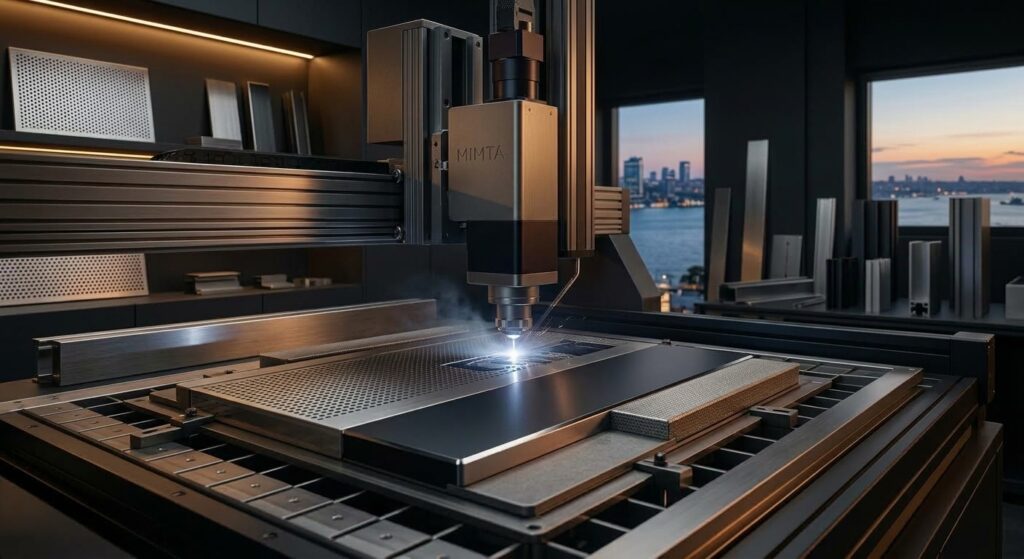
PRECISION IS NOT A FINAL CHECK — IT IS BUILT INTO THE PRODUCTION PROCESS.
01
FABRICATION PLANNING
Production sequences are developed around geometry, material type, machine capability, assembly logic and project-specific tolerances.
02
PRECISION MACHINING + FORMING
Machined components, profiles, plates and formed elements are produced through controlled processes selected according to complexity, finish and dimensional requirements.
03
WELDING + ASSEMBLY CONTROL
Joint preparation, welding sequence, distortion control and assembly procedures are coordinated to preserve geometry and interface accuracy.
04
SURFACE FINISHING
Brushed, polished, coated and project-specific finishes are developed with attention to consistency, edge quality, visual continuity and final architectural appearance.
INTEGRATED PRODUCTION SEQUENCE
01 / CUT
PRECISION PROCESSING
02 / FORM
CONTROLLED GEOMETRY
03 / JOIN
ENGINEERED ASSEMBLY
04 / FINISH
SURFACE PERFORMANCE
05 / VERIFY
PRODUCTION CONTROL
QUALITY + PRODUCTION CONTROL
ENGINEERED. PRODUCED. VERIFIED.
MIMTA applies structured quality control throughout material selection, fabrication, assembly, finishing and final delivery to ensure that dimensional accuracy, material conformity and visual quality remain controlled at every stage.
Inspection records, dimensional checks, material documentation and production controls are coordinated according to project requirements — creating a clear traceability path from incoming material to completed assembly.
01
ENGINEERING CONTROL
Technical information, production drawings and fabrication requirements coordinated before manufacturing.
02
PRODUCTION CONTROL
Fabrication sequences, machining operations and production workflows managed for repeatable execution.
03
MATERIAL + FINISH CONTROL
Material specification, surface quality and finishing requirements aligned with project performance.
04
DELIVERY CONTROL
Production status, project coordination and delivery requirements managed through an integrated workflow.
7,200 m²
PRODUCTION FACILITY
2,500+
PRODUCT TYPES
5+1 AXIS
LASER TECHNOLOGY
4
CORE PRODUCTION DISCIPLINES
INTERNATIONAL PROJECT DELIVERY
ONE SYSTEM.
MULTIPLE MARKETS.
MIMTA manages project delivery beyond fabrication by coordinating technical documentation, production planning, packaging, logistics, site interfaces and installation requirements within one structured workflow.
For international and multi-stakeholder projects, delivery is planned around sequencing, transport constraints, site conditions and coordination with adjacent trades — helping engineered systems arrive ready for controlled installation.

GLOBAL DELIVERY REACH · INTERNATIONAL CAPABILITY
11 / GLOBAL DELIVERY + PROJECT EXECUTION
ENGINEERED HERE.
DELIVERED ANYWHERE.
INTEGRATED DELIVERY MODEL
FROM ENGINEERING TO SITE.
A coordinated delivery framework connecting engineering information, fabrication planning, production, logistics and project interface through one integrated workflow.
01
ENGINEERING
Design information, technical coordination and project requirements aligned for downstream execution.
02
FABRICATION PLANNING
Production sequencing, material readiness and fabrication requirements coordinated before release.
03
PRODUCTION
Manufacturing progress and quality control managed against project requirements.
04
LOGISTICS
Packing, documentation and international transport coordinated within the delivery programme.
05
SITE DELIVERY
Delivery sequencing and site interface managed through to installation readiness.
from
PROJECT CONTROLS
Schedule, coordination and delivery checkpoints aligned through one controlled workflow.

to
HANDOVER READINESS
Documentation, interface closure and site readiness managed through final delivery.
SELECTED PROJECT EXPERIENCE
Major Works in Engineered Metal Systems
A curated selection of transport, retail, aviation and specialist metal projects delivered through engineering, fabrication and technical coordination.
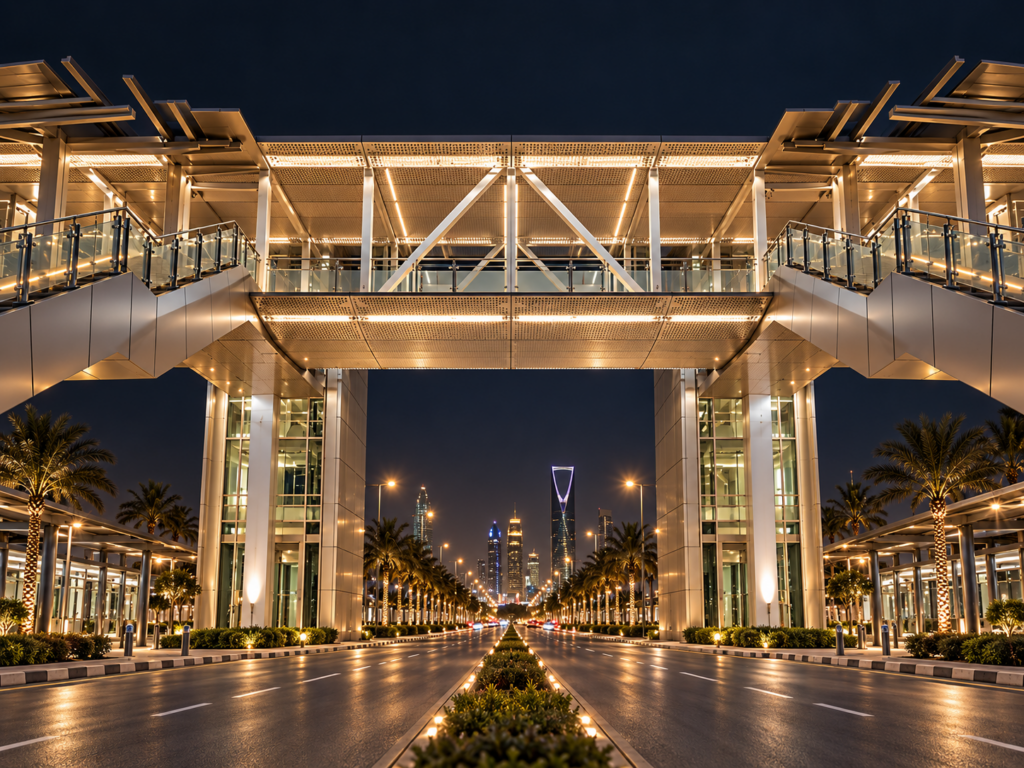
RIYADH BRT — METAL STRUCTURES / PROJECT VISUALISATION
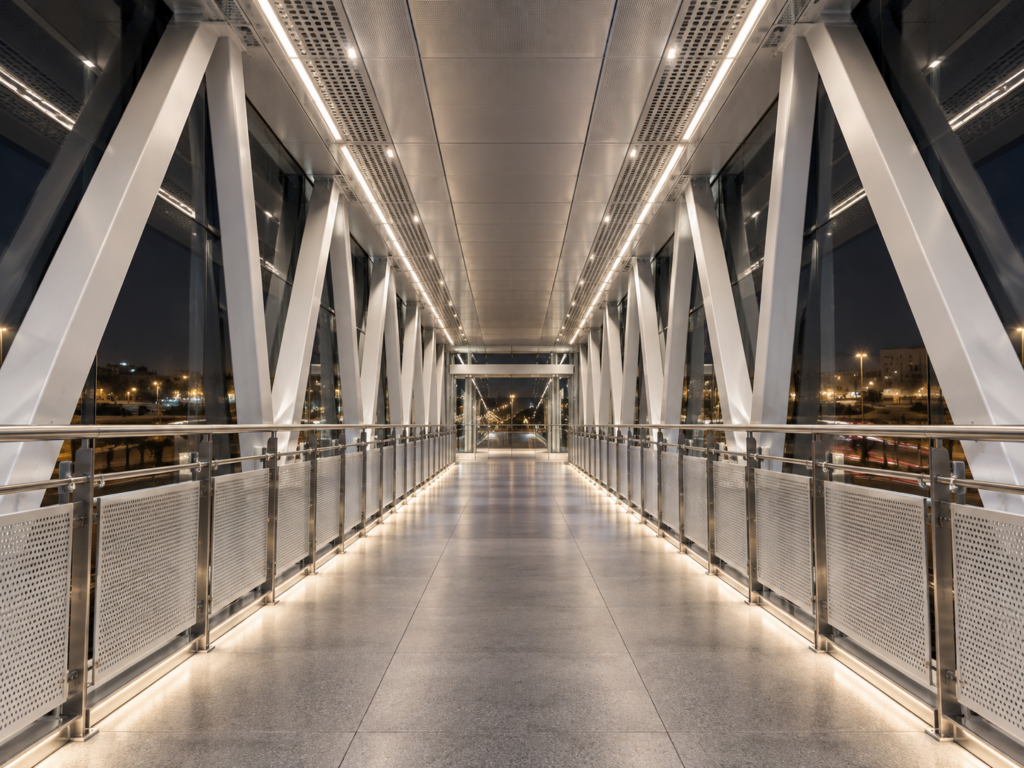
01 / TRANSPORT INFRASTRUCTURE
ENGINEERING + FABRICATION
METAL SCOPE
STEEL STRUCTURES
ARCHITECTURAL METALWORK
TRANSPORT INFRASTRUCTURE COMPONENTS
VIEW PROJECT ↗
01 / TRANSPORT INFRASTRUCTURE
RIYADH BUS RAPID TRANSIT
PHASE 3 · RIYADH · KINGDOM OF SAUDI ARABIA
PROJECT CHALLENGE
Large-scale transport architecture requiring coordinated structural and architectural metal systems across repeated components, interfaces and site conditions.
TECHNICAL RESOLUTION
Large-scale transport architecture requiring coordinated structural and architectural metal systems across repeated components, interfaces and site conditions.

02 / AVIATION + METAL WORKS
ABU DHABI AIRPORT
ABU DHABI · UAE
METAL SCOPE
STEEL WORKS
VIEW PROJECT ↗

03 / COMMERCIAL + RETAIL + METAL WORKS
SAKS FIFTH AVENUE
ALMATY · KAZAKHSTAN
METAL SCOPE
SPECIALIST METAL FABRICATION
VIEW PROJECT ↗
DISCUSS A PROJECT
Developing a complex architectural metal system?
Let’s discuss the architectural intent, engineering requirements, material strategy and fabrication approach needed to turn complex metalwork into a precise, buildable solution.